FREEHAND FOR Logistics
Control your spend lifecycle across every warehouse, provider, and mile.
Freehand deploys specialized AI Teams to autonomously enforce commercial contracts, resolve SLA disputes, and optimize your procurement so you never pay for a service you did not receive.


Trusted by global leaders in Logistics, Manufacturing, and Retail
























50 - 60%Reduction in RFP Cycle Time
100%invoice audit coverage across all logistics providers
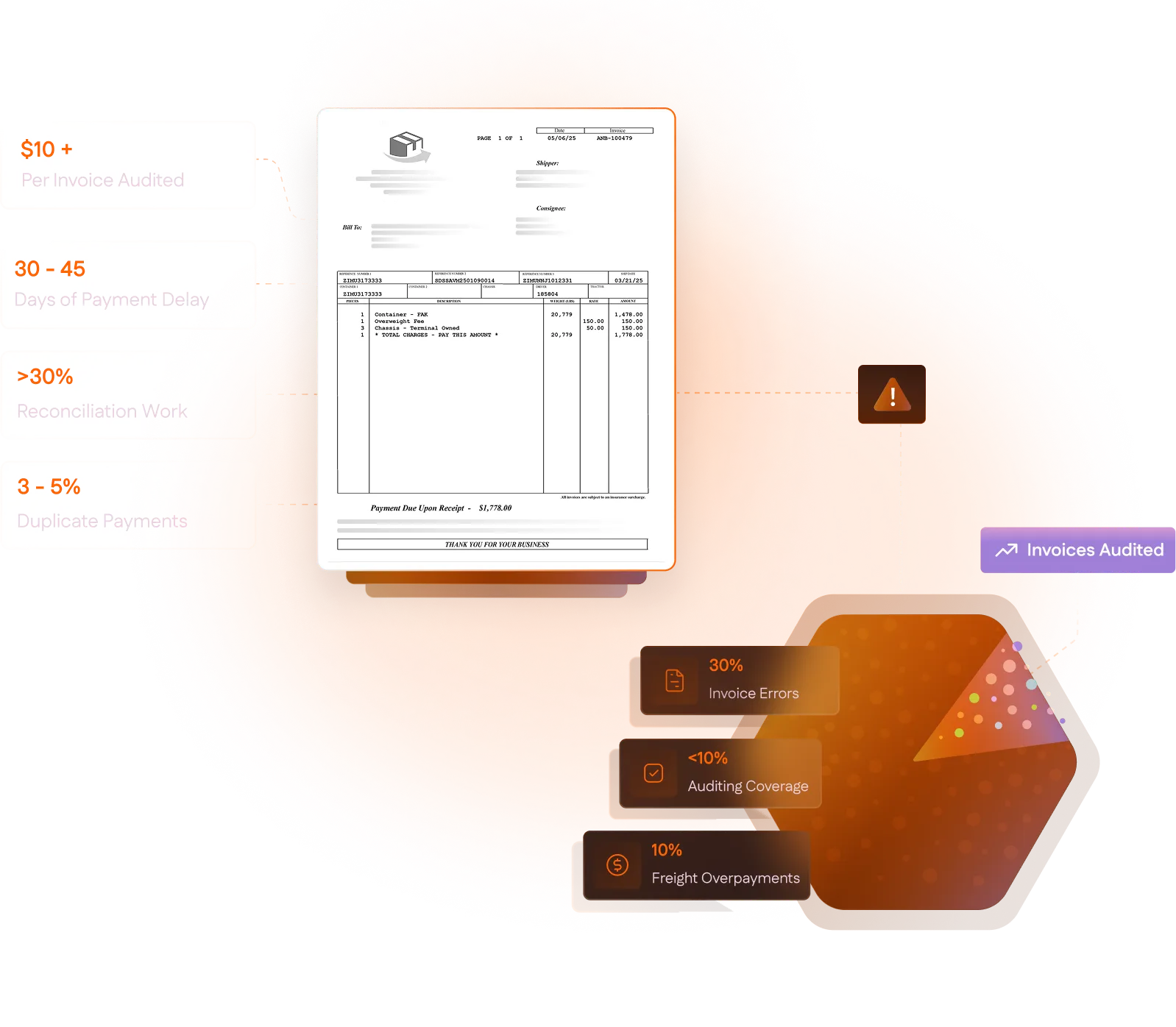
5 - 10%Logistics spend identified as billing errors
FasterSLA dispute resolution with automated evidence generation
Logistics spend has four open wounds. None of them are healing.
The sheer volume and complexity of modern S2P data have overwhelmed teams and legacy systems, leaving millions in revenue quietly exposed.
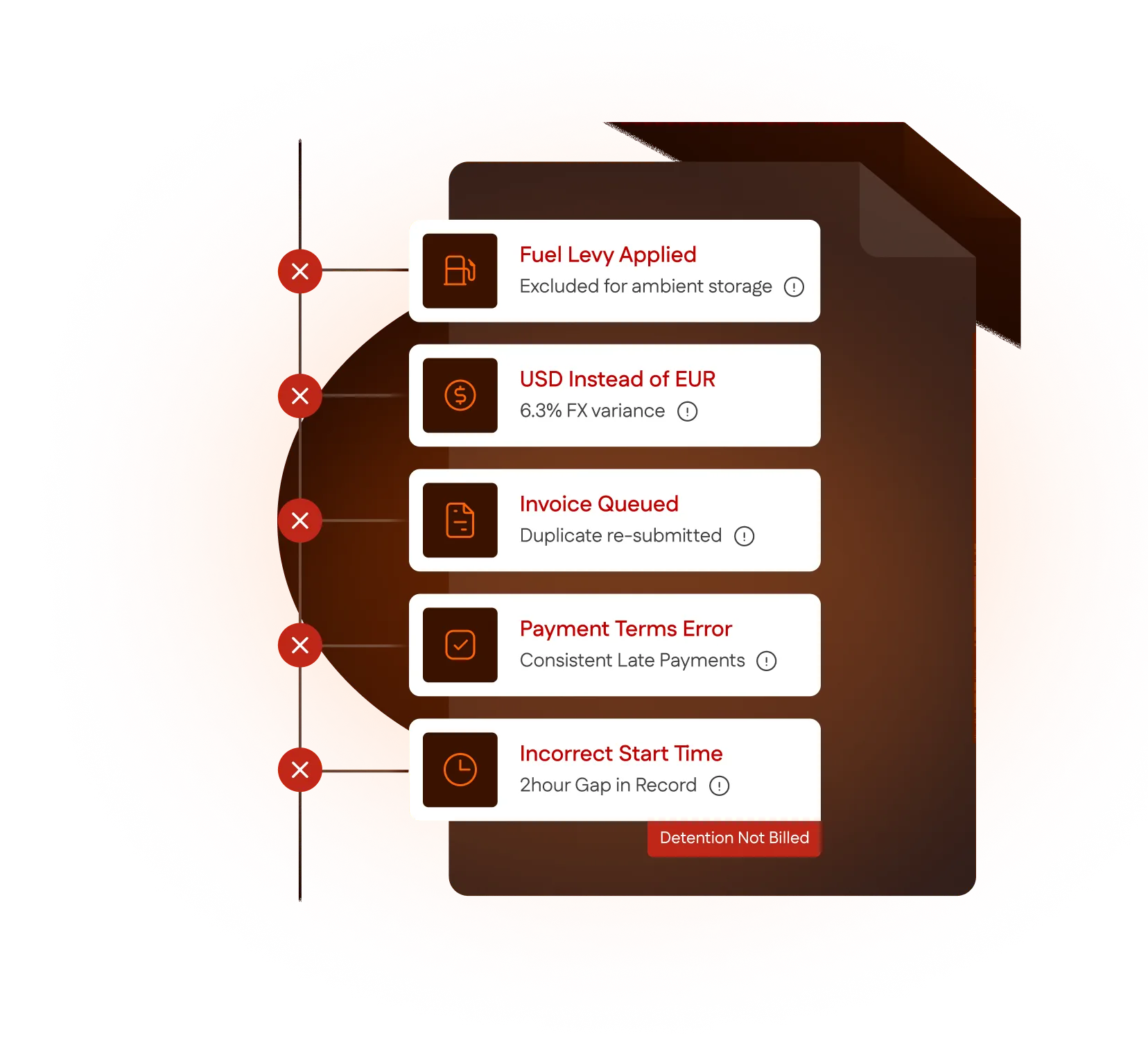
Logistics invoices carry errors that nobody catches.
Overwhelmed teams and static rules cannot keep up with complex contract changes, meaning hidden fees and SLA penalties are paid without question.

Sourcing decisions are made on gut feel, not performance data.
Relying on disconnected spreadsheets to finalize vendors creates suboptimal, overpriced provider networks that are nearly impossible to renegotiate.

Nobody sees the full cost to serve.
Because warehousing, fulfillment, and last-mile costs are trapped in fragmented systems, teams are left entirely unable to understand their true S2P spend.

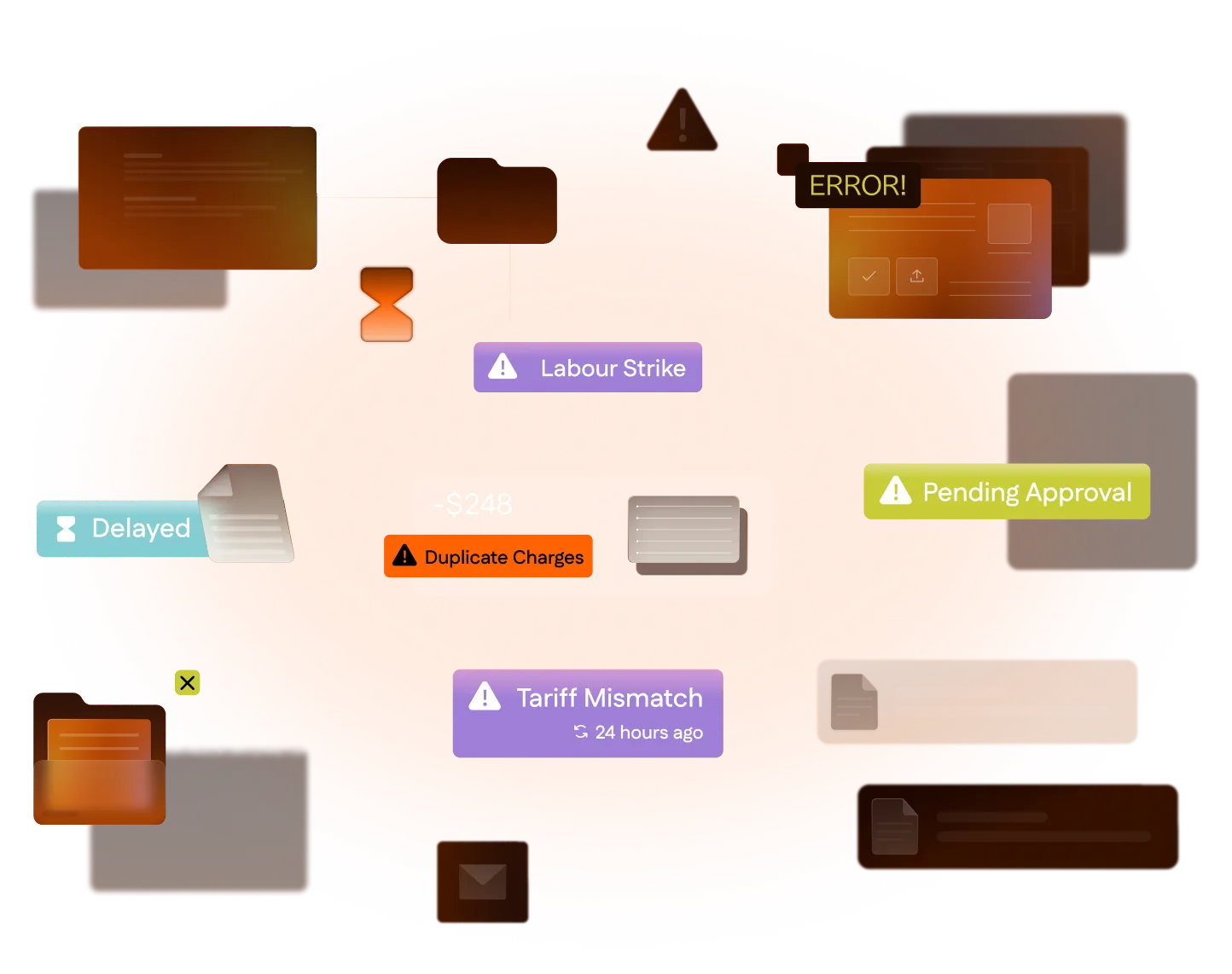
Billing errors are a shared problem
Disputed invoices mean delayed payments, strained relationships, and time spent on reconciliation instead of operations. The fix isn't a better dispute workflow, it's stopping errors before they become disputes.

how it works
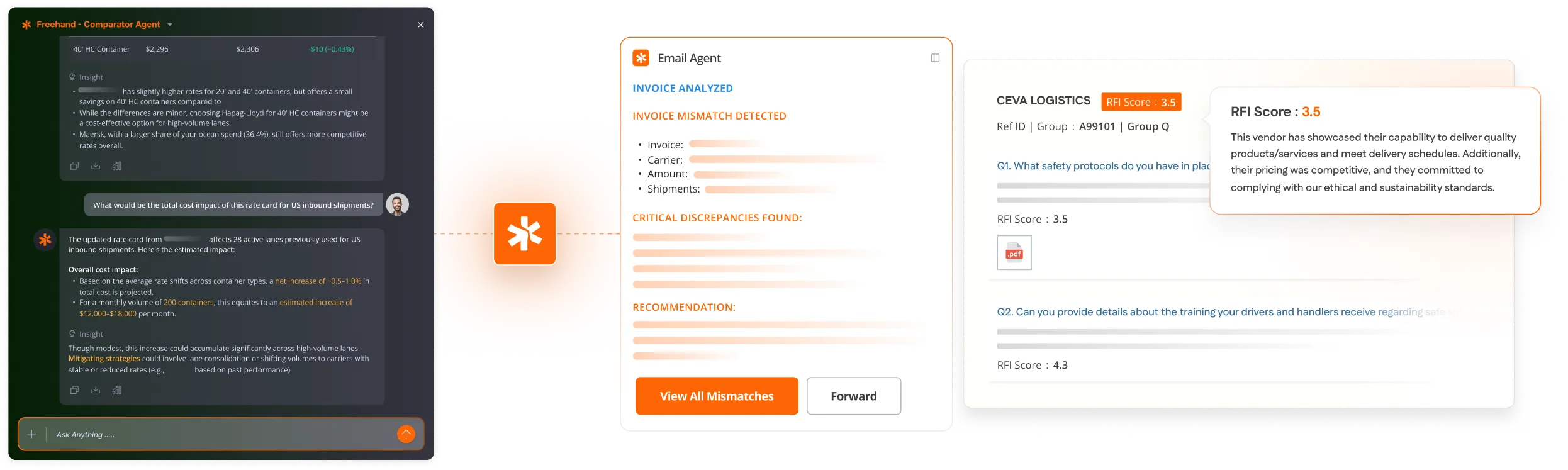
Al Teams covering the full logistics spend lifecycle. Working 24/7.
Freehand Al Teams work around the clock to enforce SLA contracts, source smarter providers, automate accounts receivable, and unify spend intelligence across your entire logistics network.
how it works
Logistics Invoice Audit
Al Teams automatically read your 3PL contracts to validate every single charge against actual operational activity. By auditing every line of every invoice, Freehand ensures you only pay for exactly what was delivered.

Logistics Sourcing
AI Teams automate your entire procurement lifecycle - slashing RFP cycle times by up to 70%. By feeding historical provider performance data directly into new RFPs, Freehand ensures every sourcing decision is backed by data.

Logistics Accounts Receivable
AI Teams for carriers, logistics service providers, 3PLs automate the entire AR lifecycle by handling cash application, and autonomous deduction management. Cash comes in faster without the burden of manual collection queues.

Logistics Spend Intelligence
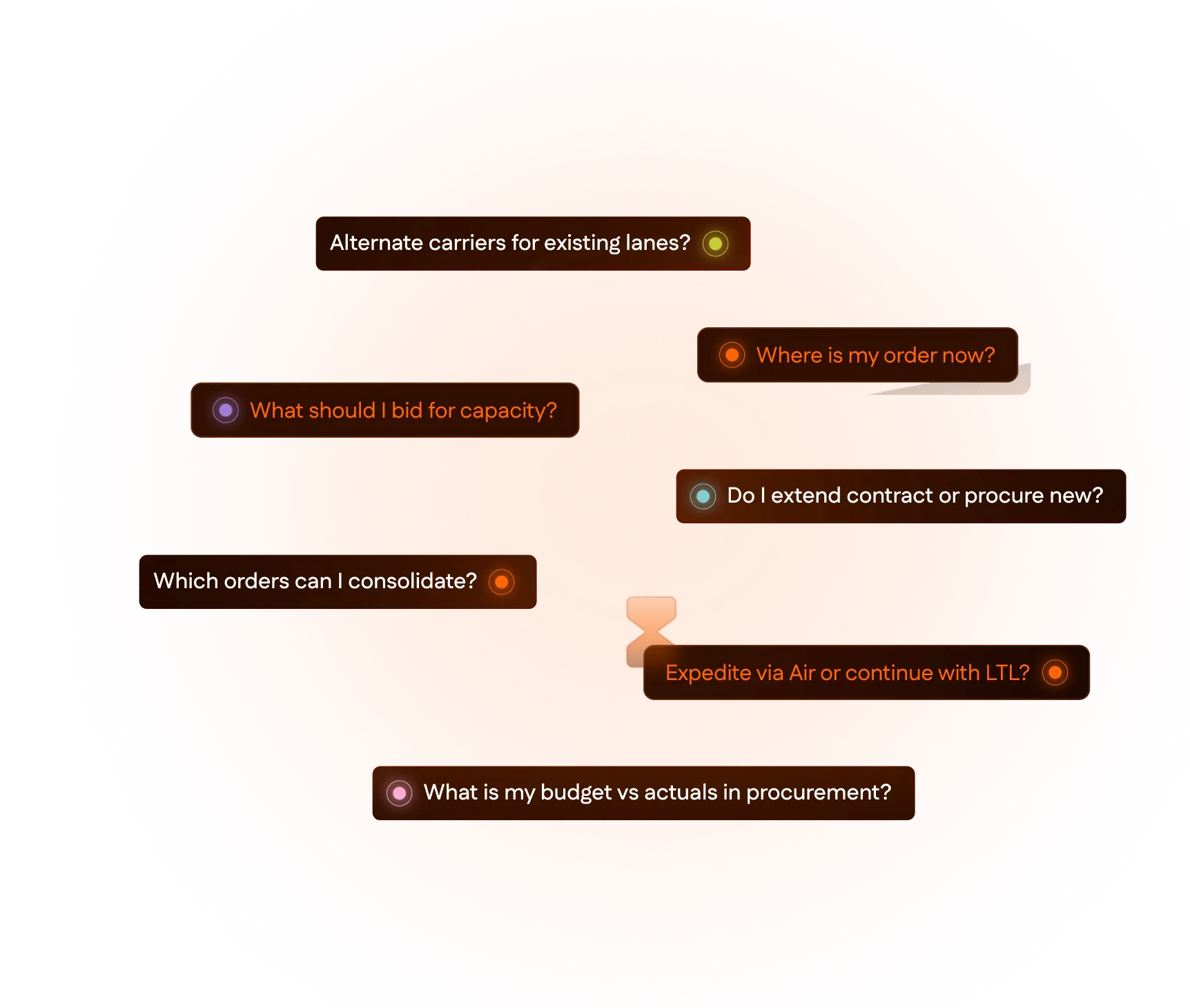
Freehand unifies freight, warehousing, fulfillment, and last-mile costs into a single data platform where teams can ask plain language questions and get instant answers. Proactive alerts catch cost anomalies before they compound.

Every provider type. Every charge category. Every line.
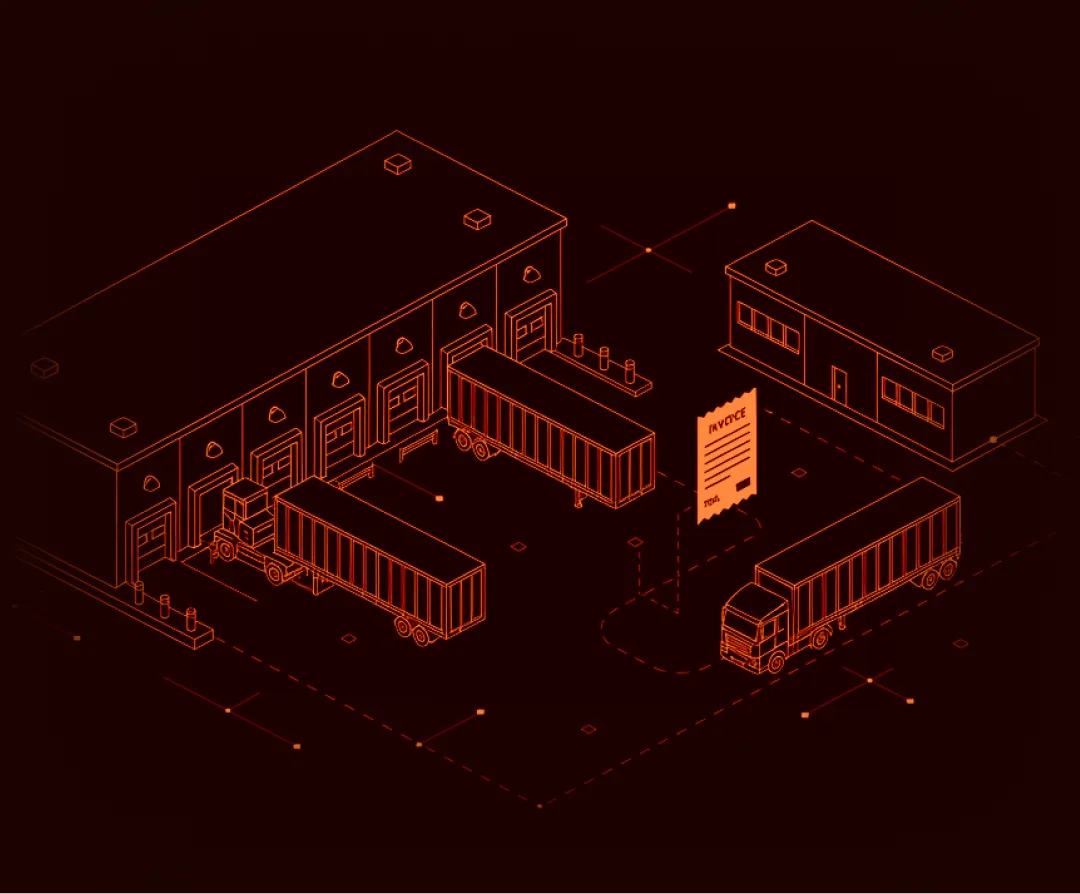
3PL Warehousing
Storage, handling, pick-and-pack, inbound/outbound, cross-docking
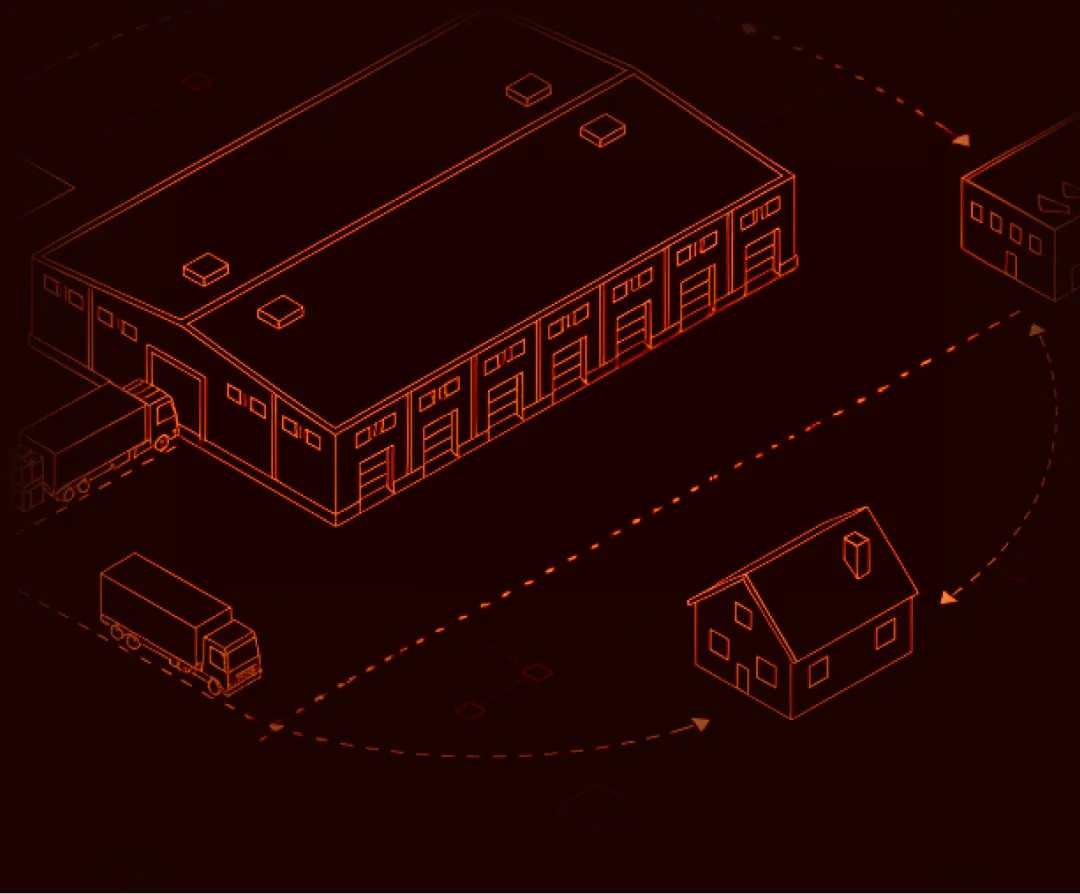
Last-Mile Delivery
Zone-based rates, weight breaks, per-stop fees, delivery area supplements
Ancillary Services
Labeling, cross-docking, value-added services, reverse logistics
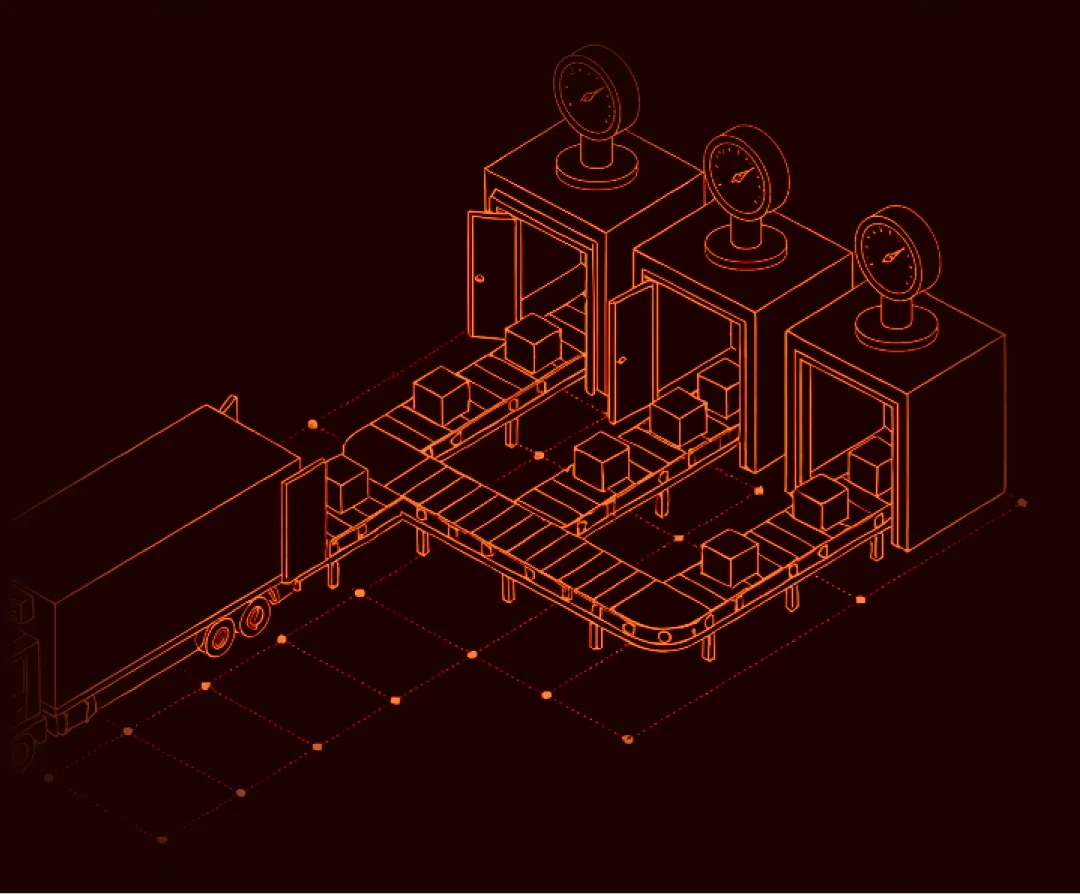

Fulfillment and E-Commerce
Per-order fees, returns, kitting, SLA penalties, multi-channel fulfillment
Cold Chain and Specialized
Temperature compliance fees, handling premiums, hazmat, high-value
Logistics Services Providers (AR)
3PLs, carriers, freight forwarders, warehouse operators (collections, cash application)
Powered by the Freehand knowledge graph.
A proprietary semantic layer that unifies logistics contracts, operational activity data, invoice records, SLA terms, provider performance, and historical exceptions. Al agents reason across fragmented data, detect patterns, explain variances, and continuously improve.

WMS Data | Operational Activity | Email Invoices | Rate Cards | 3PL Contracts | Dispatch Records


Logistics Ontology | Providers > Contracts > SLAs | Planned vs. Actual | Invoice > Audit Events | AR > Collections > Disputes



Contract Ingestion | Activity Matching | SLA Enforcement | Invoice Validation | Dispute Management | Spend Consolidation | Cost-to-Serve | Cash Application | Collections | AR Intelligence | Provider Scoring | RFP Builder | Bid Analysis | Benchmarking

Enterprise-grade from day one.
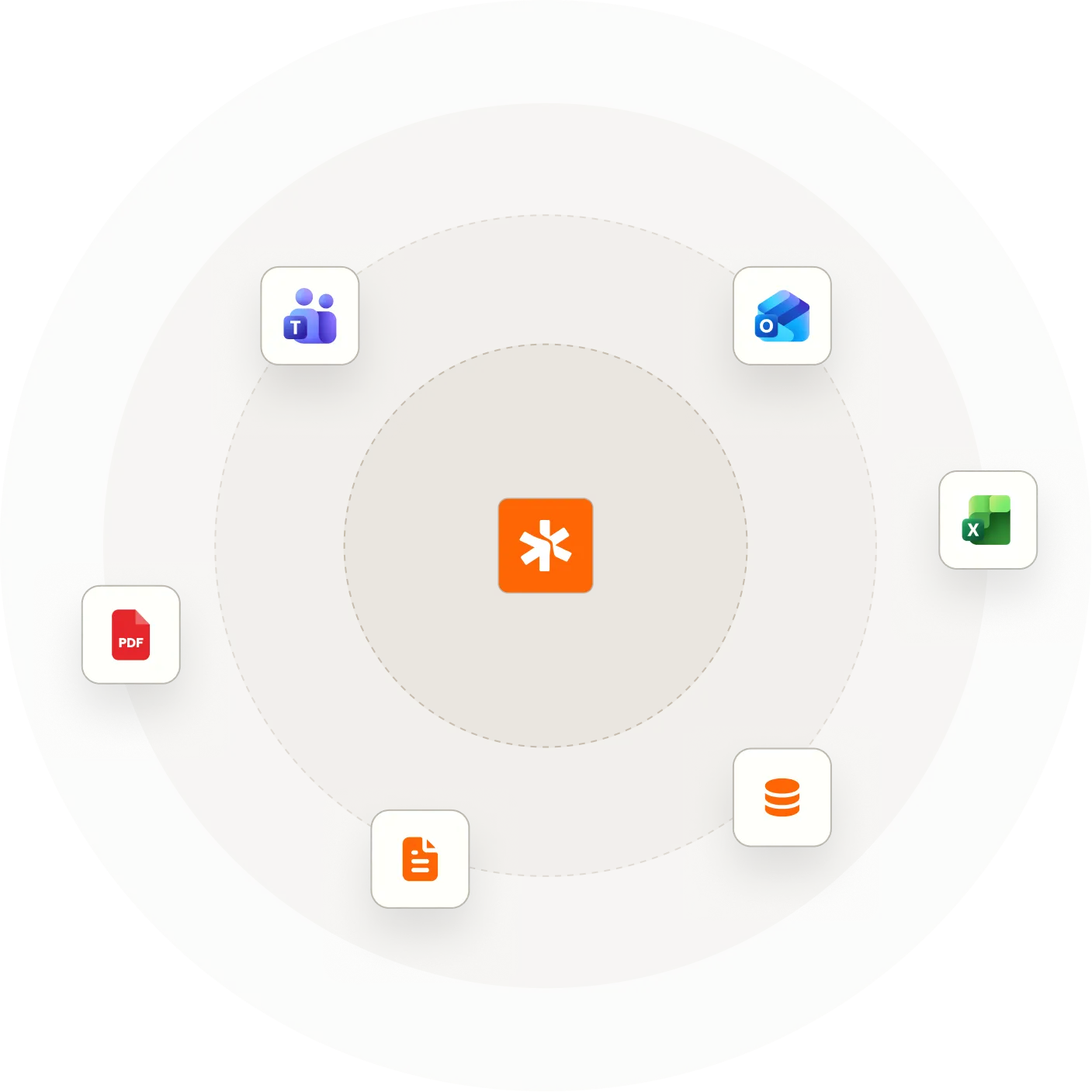
Freehand Agents execute in the tools your team already uses and post results to the systems you already trust.
Discover insights & best practices
View all resources
Frequently Asked Questions
Have further questions and can’t find the answers?
Contact us
How does Freehand handle the complexity of 3PL and warehouse contracts?
Freehand ingests your 3PL and warehouse contracts including SLA terms, rate schedules, penalty clauses, and service-level commitments, and validates every invoice against them. Storage overages, pick-and-pack rate errors, and SLA penalty miscalculations are caught automatically before approval.
Does Freehand work for logistics service providers, not just shippers?
Yes. Freehand for Logistics AR is designed for logistics service providers with high-volume, complex billing environments: third-party logistics providers, carriers and asset-based operators, freight forwarders, and warehouse operators. AI Teams automate contract-validated billing, cash application, deduction management, collections, and dispute resolution.
What logistics provider types does Freehand audit?
Freehand audits logistics spend across all provider types: 3PL warehousing (storage, handling, pick-pack, inbound/outbound), fulfillment and e-commerce (per-order fees, returns, kitting, SLA penalties), last-mile delivery (zone-based rates, weight breaks, per-stop fees), cold chain and specialized (temperature compliance fees, handling premiums), and ancillary services (labeling, cross-docking, value-added services).
What invoice formats does Freehand support for logistics?
Invoices arrive from 3PLs, warehouse operators, last-mile carriers, and fulfillment partners in every imaginable format. Freehand normalizes them all: PDF, EDI, Excel, flat file, and email attachments, without custom parsers or provider-specific onboarding.
How does logistics sourcing connect to invoice audit?
Freehand generates contracts with standardized rate schedules, SLA clauses, and penalty structures, then pushes contract terms to the audit engine so every invoice is validated against what was actually agreed. Audit data from current providers feeds back into the next sourcing cycle. Exception rates, billing accuracy, SLA compliance, and cost performance become part of the provider evaluation.
What is activity-level validation in logistics invoice audit?
Freehand validates at the activity level: per-pallet storage fees, per-pick labor rates, inbound/outbound handling charges, fuel surcharges, and accessorial fees. Every line is compared to the contracted rate, the actual activity data, and historical patterns for that provider.
How does Freehand handle exceptions in logistics invoices?
When discrepancies are found, Freehand categorizes the exception, determines whether it can be auto-resolved through a correction request to the provider, and routes genuinely complex cases to your team with full context. Only the hard ones land on a human desk.
How does Freehand handle vendor disputes in logistics?
Freehand auto-generates dispute packets for confirmed overbilling with the contracted rate, actual activity data, and invoice details, and manages provider communication through to resolution. No more manually compiling evidence packages.
Does Freehand provide visibility beyond freight spend?
Yes. Warehouse, fulfillment, last-mile, and ancillary logistics spend is consolidated into a single view by provider, location, activity type, and cost category. Finance gets the full picture, not just freight.
How does Freehand build logistics RFPs?
Freehand analyzes inventory flows, fulfillment patterns, order volumes, and geographic coverage requirements to build RFP packages that reflect your real logistics network needs, not assumptions made from last year's data.
How does Freehand score and qualify logistics providers?
The AI Team evaluates prospective 3PL and warehouse providers across capability, geographic footprint, technology stack, financial stability, and operational performance data, delivering a scored shortlist before the RFP even goes out.
How does logistics RFP automation work?
Freehand auto-generates logistics RFPs with pre-validated service requirements, rate structure templates, and SLA specifications. Providers receive standardized bid packages and submit through a structured portal, eliminating the free-form responses that make comparison impossible.
How does bid analysis and scenario modeling work in logistics sourcing?
All bids are normalized and compared across cost, service levels, technology capabilities, and risk factors. Scenario modeling lets teams evaluate what a different provider mix means for cost, coverage, and resilience before making a commitment.
What is logistics spend intelligence?
Freehand pulls freight costs, warehouse charges, fulfillment fees, last-mile spend, and ancillary logistics costs into a unified data model. For the first time, Finance can see the full cost-to-serve, not just the freight bill.
What is cost-to-serve analytics?
Freehand decomposes logistics costs at the order, SKU, channel, and customer level, enabling teams to understand the true cost-to-serve across their network. This surfaces the channels, customers, and product lines where logistics costs are eroding margin.
How does Freehand benchmark logistics providers?
Spend data is enriched with service performance metrics across every provider: 3PLs, carriers, fulfillment partners. Teams can understand which providers are genuinely cost-efficient versus which appear affordable until you account for SLA breaches and exception volumes.
Can I ask Freehand questions about my logistics spend?
Yes. Freehand's Spend Intelligence Agent supports natural language queries across all logistics data. Ask 'what is our cost per order on the West Coast fulfillment network compared to Q3?' and get the answer in seconds. No analyst required, no report to build.
How does Freehand handle budget variance alerts for logistics spend?
Real-time accruals across all logistics categories mean Finance always knows where spend stands against budget. Variance alerts surface when actuals are tracking ahead of plan, early enough to do something about it.
Can Freehand benchmark our logistics spend against market rates?
Freehand benchmarks your logistics spend against industry data and market rate trends, flagging where you are above market and quantifying the negotiation opportunity with current providers.
How does contract-validated billing work for logistics service providers?
Before invoices go out, Freehand validates every charge against the applicable customer contract: rate schedules, volume tiers, accessorial rules, and service-level terms. Billing errors are corrected internally before they reach the customer and trigger a dispute.
What is automated cash application for logistics?
Payments arrive from shippers in every form: ACH, wire, check, consolidated remittances covering dozens of invoices, partial payments with deductions. Freehand matches every payment to the correct open invoice, resolves remittance data across formats, and flags unmatched amounts for investigation. Manual cash application and the backlog that comes with it is eliminated.
How does Freehand handle short-pays and deductions?
When shippers pay short or take deductions, Freehand categorizes the deduction type, validates it against contractual terms, and determines whether the deduction is valid or disputable. Valid deductions close automatically. Invalid ones trigger a structured dispute with the contracted rate, service proof, and supporting documentation attached.
How does Freehand automate collections for logistics providers?
Freehand manages collections workflows based on invoice age, customer payment history, outstanding balance, and relationship tier. Payment reminders, escalations, and final notices are triggered automatically through email or portal, without anyone managing a collections queue manually. Accounts that need human attention are surfaced, not buried.
How does Freehand prevent repeat disputes?
Freehand tracks every customer dispute to resolution, routing internally based on dispute type, generating supporting documentation, and managing carrier or shipper communication. Recurring dispute patterns are identified and fed back to billing logic so the same mistake does not generate next month's disputes.
What AR analytics does Freehand provide?
DSO, aging buckets, dispute rates, collection performance, and cash flow projections are tracked in real time across every customer and revenue stream. Finance and operations leadership get the forward visibility they need to manage working capital, not a monthly report that arrives too late to act on.
Can Freehand integrate with our warehouse management system and ERP?
Freehand connects to WMS platforms and ERP systems via native connectors for SAP, Oracle, Microsoft Dynamics, JDE, and NetSuite. Data exchange is supported through EDI, API, SFTP, and database sync for real-time and batch processing. Middleware support includes Seeburger, MuleSoft, and Boomi.
What security certifications does Freehand have?
Freehand is SOC 2 Type II certified and ISO 27001 aligned. All data is encrypted with TLS 1.3 and AES-256. The platform is GDPR compliant and provides a full audit trail with role-based access controls (RBAC).
What logistics categories does sourcing cover?
Freehand covers 3PL and warehouse sourcing (storage, handling, fulfillment, returns), last-mile and final-delivery networks (carrier selection, zone coverage, SLA structuring), cold chain and specialized logistics (temperature-controlled, hazmat, high-value), and e-commerce fulfillment (multi-channel, returns management, kitting).
Recover margin. Enforce contracts. Close the loop.