


The Problem
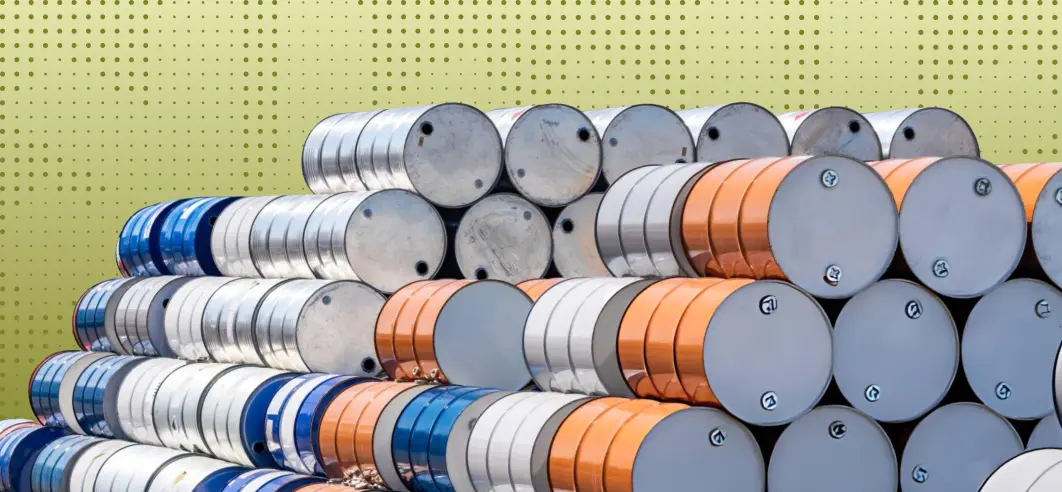
The company generates $5.4B in annual revenue producing steel, fiber, and plastic drums, intermediate bulk containers, containerboard, corrugated products, and closure systems — serving chemicals, pharmaceuticals, agriculture, food and beverage, and automotive industries across 244 locations in over 40 countries. Its freight procurement ran through Coupa. Its TMS was BluJay. The two operated as completely disconnected systems with no integration, creating data silos, manual reconciliation requirements, and information flow failures between procurement decisions and execution realities.
There was no dedicated freight audit solution. Not a weak one — none. Invoice processing and validation relied on high manual workload with no systematic error detection. Freight overpayments accumulated without audit. Real-time visibility into freight costs was absent. The dark spend problem the company’s own VP had articulated — all dedicated fleet lanes, all EMEA, all LATAM, all ocean, all parcel, operating entirely outside any audit coverage — represented a material and unmeasured share of the $200M-plus total freight spend.
The procurement capability was constrained by its tools. Coupa had limited automation for RFQ creation, no carrier portal integration, and no scenario planning or AI-driven lane optimization. Pre-bid and post-bid analysis happened manually in spreadsheets. The rate management problem was equally fragmented: no automated market benchmarking, no dynamic refresh of rate structures, no AI-driven lane prioritization. When market conditions moved, the procurement team found out after the fact rather than in time to act.
What Freehand Did
Freehand replaced both Coupa and BluJay with a unified agentic platform that integrates procurement, audit, rate management, and spend intelligence in a single data layer. The AI Procurement Analyst automated RFQ-to-contracting, reducing procurement cycle times by 90% — the 45-to-60-day manual bid cycles replaced by AI-managed event execution with carrier portal integration, bid anomaly detection, and scenario modeling running as bids arrive. $500K-plus in labor efficiency gains from automated invoice ingestion, costing, and dispute resolution operations is the immediate operational output.
The Audit Agent extended coverage to all 389,932 annual shipments across all 244 global locations — including the dedicated fleet lanes, EMEA, LATAM, ocean, and parcel freight that Coupa and BluJay had never touched. Invoices from every mode and every region now run through the same multi-way match: contracted rate against billed charge, billed shipment against actual shipment data, accessorial charge against entitlement schedule. The dark spend that the company had been paying without audit is now audited. The $10M–$18M in annual savings is the combined output of procurement optimization and systematic audit of the spend that had never been reviewed before Freehand.
The Rate Manager Agent replaced the fragmented multi-modal rate management that had operated without automated benchmarking or dynamic refresh. Market benchmarking integrations flag lanes where rates have drifted from current market conditions and trigger re-bidding automatically. The BCG engagement that had documented the procurement gap from the outside is now validated by the company’s own data from the inside. 389,932 shipments automated annually. 244 global locations covered. One platform where Coupa and BluJay had been two.