
Best Spend Analytics Software for Logistics Finance Teams in 2026: 9 Platforms Compared
.webp)
June 29, 2026
•
16
mins
Comparing the best spend analytics software for 2026: 1. Freehand, 2. GoodShip, 3. Loop, 4. Trax Technologies, 5. Cass, 6. Intelligent Audit, 7. Sievo, 8. SpendHQ, and 9. Coupa.
Most logistics finance teams can see their total freight spend but not what drives it. General spend tools file transportation under one category, so a CFO knows the number but not which lanes, carriers, or accessorials moved it. Modern spend analytics software delivers 3 to 12% savings on addressable spend in year one, but only if it can decompose freight, not just categorize it.
This is a buyer's guide for logistics finance teams. If freight is a large, hard-to-explain line on your P&L, the comparison below helps you shortlist and book the right demos.
Below, we are going to see a detailed comparison of the best spend analytics software for 2026, one line per platform, before the full breakdown.
TL;DR: The best spend analytics software at a glance
- Freehand: real-time freight spend intelligence with lane-level decomposition and conversational analytics.
- GoodShip: lane-level freight spend visibility and carrier rate benchmarking.
- Loop: spend analytics built on AI-normalized freight and parcel data.
- Trax Technologies: enterprise transportation spend analytics across modes and regions.
- Cass: freight spend analytics backed by the Cass Freight Index benchmark.
- Intelligent Audit: freight and parcel spend analytics with recovery and SKU-level visibility.
- Sievo: best-of-breed procurement spend analytics with strong data cleansing and savings tracking.
- SpendHQ: fast-deploying procurement spend classification and visualization.
- Coupa: embedded source-to-pay spend analysis across procurement categories.
Comparison table: Top spend analytics software for 2026
What is spend analytics software?
Spend analytics software aggregates, cleanses, classifies, and analyzes spend data across suppliers, categories, and time to give finance teams a transparent, organization-wide view of where money goes. Modern platforms add AI to surface savings, typically 3 to 12% of addressable spend in the first year.
Technically, it pulls data from ERP, AP, and card systems, normalizes inconsistent supplier and code data, classifies each transaction to a taxonomy, and reports it on dashboards. For logistics finance the difference that matters is freight depth: whether the tool decomposes transportation spend to the lane, carrier, mode, and accessorial level, or just files it under one freight category.
For a CFO, VP of finance, or controller in logistics, that means freight spend you can actually act on, broken out by lane and carrier instead of a single line you cannot explain. You can see how this works on Freehand's spend analytics software page.
How we evaluated these platforms
We judged every platform on three things: independently verifiable evidence (named customers, third-party reviews, analyst recognition), AI and automation maturity, and fit to spend analytics for logistics finance teams. Evidence came from vendor sites, G2, Gartner Peer Insights, Capterra, and industry comparisons.
We weighted freight spend depth heavily, since decomposing transportation spend to the lane and carrier level is the job a logistics finance team actually needs. Figures we could not independently confirm are labeled vendor-claimed. Freehand publishes this guide and is included in it; we ranked it first on freight-native depth while stating openly that the general procurement suites cover all-category spend more deeply, and we invite you to score each vendor independently.
Best spend analytics software, ranked for 2026
Platforms are ordered by freight spend depth, AI maturity, and verifiable evidence. The freight-native tools lead because they decompose transportation spend, which is the logistics-finance use case. The general procurement suites follow for teams that need all-category coverage. Vendor figures we could not confirm are labeled vendor-claimed.
1. Freehand
Best for:
Logistics finance teams that want real-time freight spend they can act on, broken down by lane, carrier, mode, and accessorial, not a single freight line they cannot explain. A fit for CFO, VP finance, and controllers at enterprise shippers.

Freehand is an AI-native platform whose Freight Spend Intelligence builds a real-time, unified view of transportation spend. Because it sits on audited invoice data, the spend it reports is accurate rather than estimated, and it decomposes that spend to the lane and carrier level with conversational analytics on top.
It ranks first here on freight-native depth. General procurement suites cover all-category indirect spend more deeply, a tradeoff we state openly.
Key features:
- Real-time unified freight spend view across modes
- Lane-level decomposition of transportation spend
- Carrier benchmarking and rate comparison
- Conversational analytics to query spend in plain language
- Anomaly detection on spend patterns
- Cost allocation and real-time GL coding
- Built on audited invoice data, so spend is accurate, not estimated
- See spend intelligence below the total line
- Connects to freight audit and payment software in one platform
- Native SAP, Oracle, NetSuite, and Dynamics connectors
Pricing:
Custom, tied to the broader audit and spend platform. No data connection fees, with a quote after a scoping call.
Pros:
- Freight spend decomposed to lane and carrier in real time
- Built on audited data, so the numbers are accurate
Cons:
- Built for freight and logistics spend, not all-category indirect procurement
- A newer name than the established spend-analytics suites
Freehand's Freight Spend Intelligence decomposes transportation spend to the lane and carrier level on audited data. Independent reviews are still emerging. [UGC note: insert a verbatim G2 or Gartner quote once available; both block automated retrieval.]
2. GoodShip
Best for:
Shippers that want lane-level freight spend visibility and carrier rate benchmarking to optimize their transportation network.
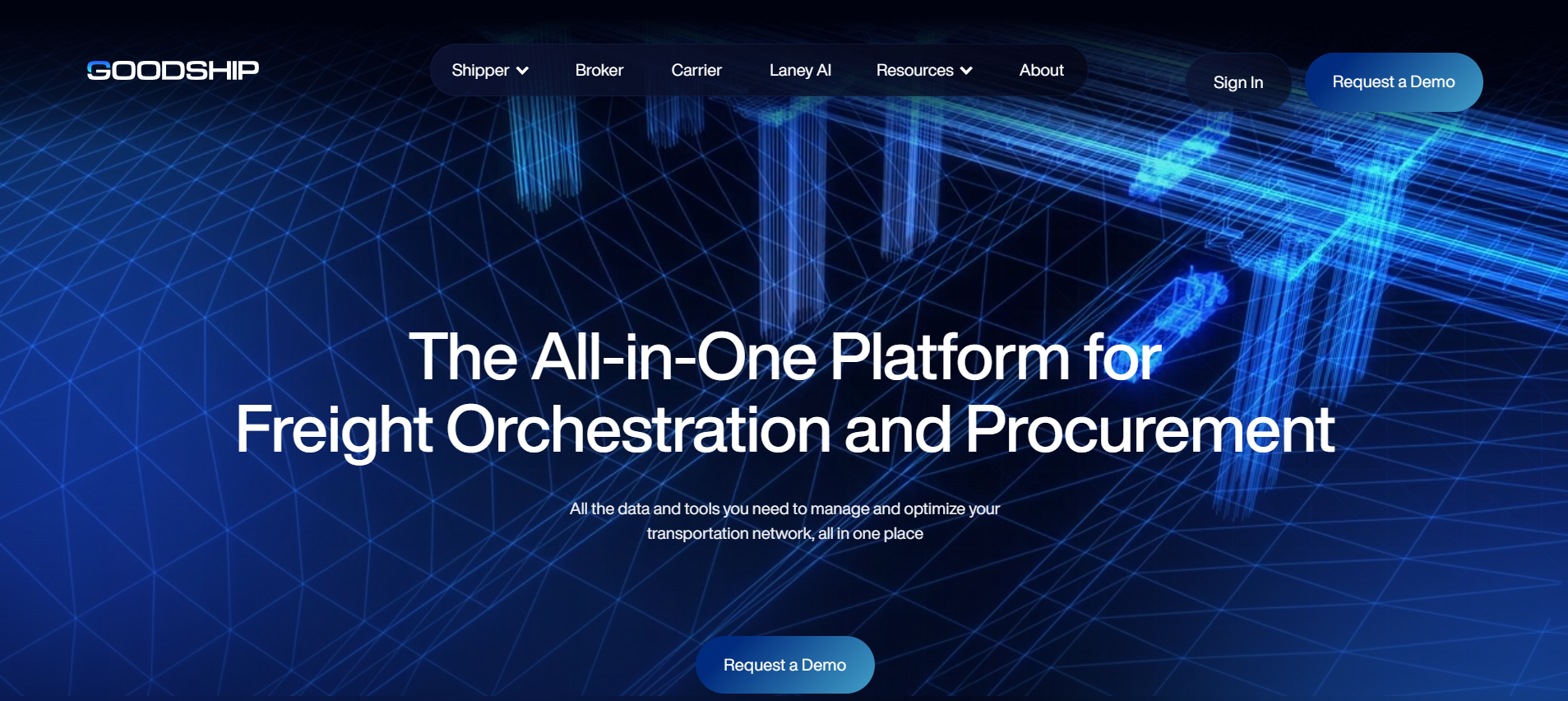
GoodShip provides lane-level spend visibility and automated carrier performance tracking, letting teams benchmark rates and optimize freight spend. It is built specifically for transportation analytics rather than general procurement, with a focus on rate and lane decisions.
Key features:
- Lane-level freight spend visibility
- Automated carrier performance tracking
- Rate benchmarking across lanes
- Network optimization insights
- Carrier scorecards
- Spend and performance dashboards
- TMS and data integrations
- Procurement event support
Pricing:
Custom, not published. Quotes depend on freight volume and scope.
Pros:
- Strong lane-level visibility and benchmarking
- Purpose-built for transportation analytics
Cons:
- Focused on freight, not broader spend
- Younger and smaller than the incumbents
GoodShip provides lane-level spend visibility and automated carrier benchmarking. See GoodShip. [UGC note: confirm a verbatim quote.]
3. Loop
Best for:
Shippers and 3PLs that want spend analytics built on clean, AI-normalized freight and parcel data.
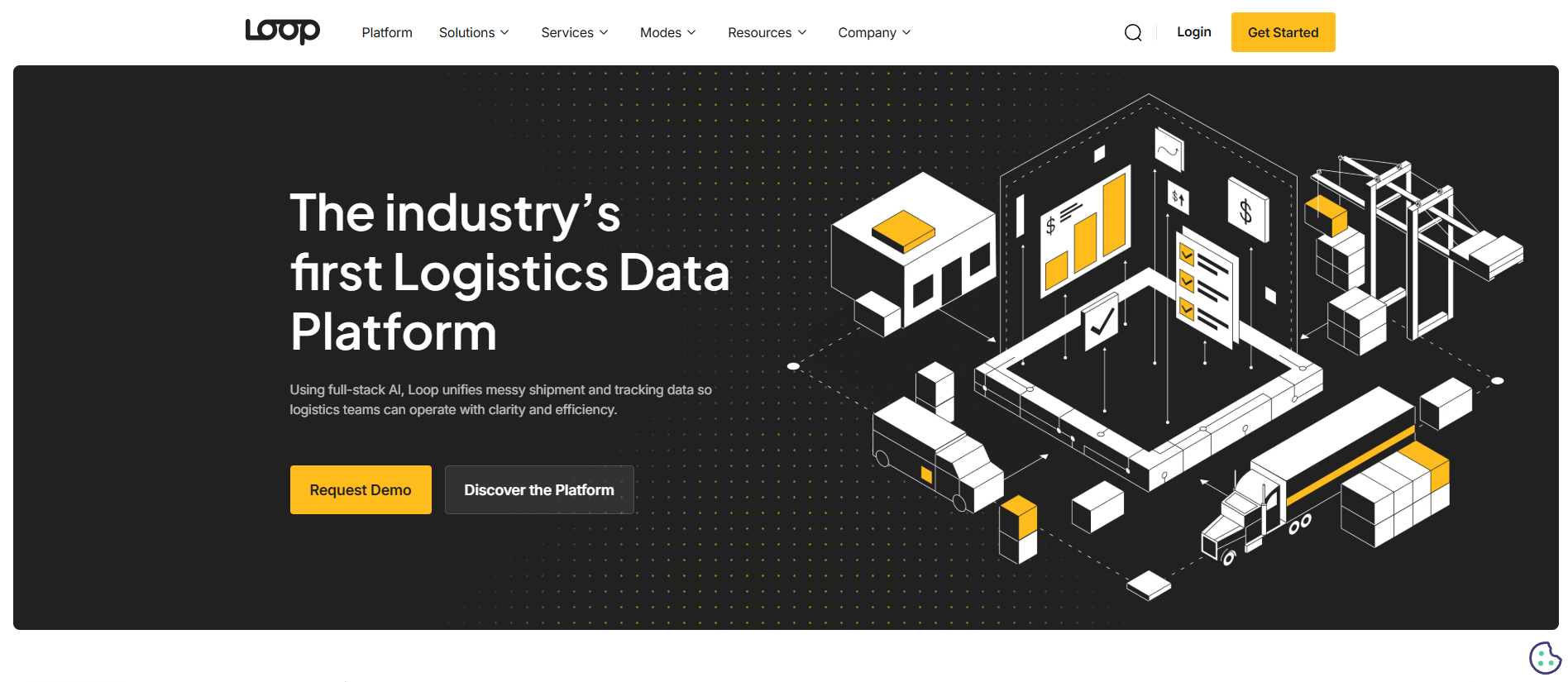
Loop is an AI-native logistics platform whose DUX model normalizes carrier documents before analysis, so its spend analytics run on clean data. It pairs audit with spend visibility across freight and parcel, useful for teams that want recovery and analytics together.
Key features:
- Spend analytics on AI-normalized data
- DUX model for document normalization
- Freight and parcel coverage
- Rate and accessorial validation
- Carrier spend dashboards
- Audit plus analytics in one platform
- API-first ERP and TMS integration
- Domain depth from the Data2Logistics merger
Pricing: Custom enterprise pricing, not published.
Pros:
- Clean, normalized data under the analytics
- Audit and spend analytics together
Cons:
- No public pricing
- Analytics ride on the audit product rather than standalone
"Loop is a trusted partner with their deep knowledge of transportation that delivers accuracy, transparency and speed to our process." Reviewer on Gartner Peer Insights.
4. Trax Technologies
Best for:
Large enterprises that want transportation spend analytics across many modes, regions, and carriers.
Trax delivers enterprise transportation spend analytics and benchmarking, built on the data it processes across a broad global carrier network. Its Prizma.AI layer adds validation and insight on decades of freight data, with spend visibility centralized across modes and regions.
Key features:
- Centralized transportation spend analytics
- Benchmarking across carriers and lanes
- Prizma.AI insight on decades of data
- Multi-mode and multi-region coverage
- Broad global carrier network
- Cost allocation and reporting
- ERP integrations
- SOC 2, GDPR, and ISO 27001
Pricing:
Custom, premium managed-service pricing. Not published.
Pros:
- Deep analytics and broad global coverage
- Proven at enterprise scale
Cons:
- Analytics come with a managed-service model
- Pooled data model across customers
"Very powerful analytics that help save money in the long run, great for international companies." Industry analysis via CXTMS, 2026.
5. Cass Information Systems
Best for:
Shippers that want freight spend analytics backed by an industry-standard benchmark and bank-grade data.
Cass pairs freight spend analytics with the Cass Freight Index, a widely cited benchmark, built from the invoice data it audits and pays. For shippers already using Cass for payment, the analytics come from the same trusted data.
Key features:
- Freight spend analytics from audited payment data
- Cass Freight Index benchmarking
- Carrier and mode-level reporting
- Cost allocation and GL coding
- Multi-mode coverage
- Carrier performance insights
- Bank-grade data security
- Decades of shipper data
Pricing:
Custom, typically per-invoice processing fees plus the banking model. Not published.
Pros:
- Analytics on trusted, audited payment data
- Industry-standard index benchmarking
Cons:
- Best value when already using Cass for payment
- Less AI-forward than newer entrants
Reviewers cite Cass for trusted data and benchmarking. See the Cass reviews on Gartner Peer Insights.
6. Intelligent Audit
Best for:
Shippers that want freight and parcel spend analytics tied to recovery, with SKU-level cost visibility.
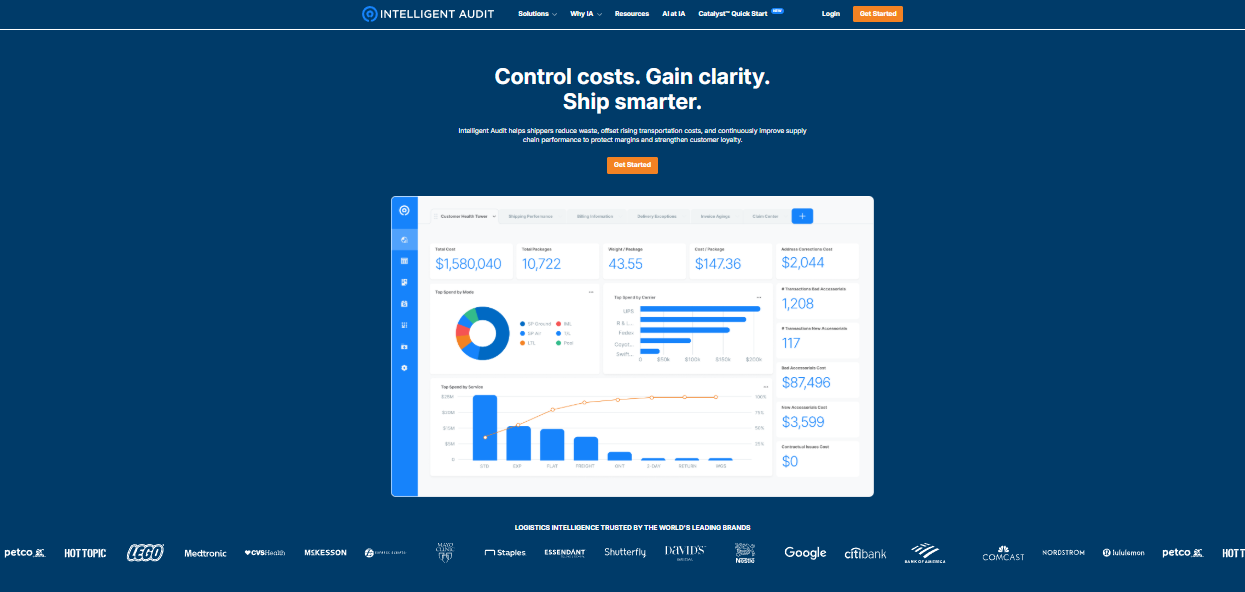
Intelligent Audit pairs freight and parcel audit with analytics, including SKU-level cost visibility against forecast and DeepDetectAI for anomalies. Its optimization modeling goes beyond reporting to surface systemic savings opportunities.
Key features:
- Freight and parcel spend analytics
- SKU-level cost visibility against forecast
- DeepDetectAI anomaly detection
- Optimization modeling
- Carrier performance reporting
- Recovery tied to analytics
- ERP integration and cost allocation
- Customizable dashboards
Pricing:
Custom, often with a savings-based component plus a platform fee. Not published.
Pros:
- Analytics linked to recovery
- Granular SKU and lane visibility
Cons:
- Analytics sit alongside an audit-led product
- Configuration needs consultant involvement
"Their Bill Payment and GL Reporting services have saved us 40+ manhours per week." Reviewer on G2, 2026.
7. Sievo
Best for:
Procurement teams that want best-of-breed, all-category spend analytics with strong data cleansing and savings tracking.
Sievo is a best-of-breed procurement spend analytics platform known for superior data cleansing and the ability to calculate realized savings. It sits on top of an existing stack and covers all spend categories, freight included as one of many.
Key features:
- All-category procurement spend analytics
- Strong data cleansing and classification
- Realized-savings calculation
- AI-powered insights
- Visualization and automated reporting
- Sits on top of existing systems
- Supplier and category analytics
- Enterprise data integration
Pricing:
Custom enterprise pricing, not published.
Pros:
- Excellent data cleansing and savings tracking
- Best-of-breed depth across all categories
Cons:
- Treats freight as one category, not lane-level
- Enterprise scope and price
Sievo is recognized for superior data cleansing and realized-savings calculation. See the Sievo reviews on Gartner Peer Insights.
8. SpendHQ
Best for:
Teams that want fast-deploying procurement spend classification and visualization across all categories.
SpendHQ delivers cloud-based spend analytics with strong spend classification and data normalization, automated categorization, and a user-friendly interface built for quick time-to-value. It covers all-category spend, with freight as one category.
Key features:
- Cloud spend classification and normalization
- Automated categorization
- Fast deployment and time-to-value
- Visualization dashboards
- Supplier and category analytics
- Data quality management
- Procurement performance tracking
- Integrations with ERP and procurement systems
Pricing:
Custom, not published.
Pros:
- Fast deployment and easy to use
- Strong classification and normalization
Cons:
- Category-level, not freight lane-level
- General procurement focus
SpendHQ is cited for spend classification and rapid deployment. See the SpendHQ alternatives on Gartner Peer Insights.
9. Coupa
Best for:
Enterprises running procurement on Coupa that want spend analysis embedded in source-to-pay.

Coupa delivers spend analysis inside its source-to-pay platform, giving transaction-level insight without separate integration for teams already on Coupa. Its community data and Navi AI support spend visibility across procurement categories.
Key features:
- Embedded source-to-pay spend analysis
- Transaction-level insight for Coupa users
- Community spend benchmarking data
- Navi AI for spend visibility
- All-category coverage
- Supplier and category analytics
- Compliance and savings tracking
- Broad ERP integration
Pricing:
Custom enterprise pricing, not published.
Pros:
- Embedded analytics for Coupa customers
- Broad category coverage and benchmarking
Cons:
- Best value only when already on Coupa
- Category-level, not freight lane-level
Coupa is recognized for AI-driven spend visibility across categories. See the spend analytics reviews on Gartner Peer Insights. [UGC note: confirm verbatim quote.]
Best Sievo and Coupa alternatives for freight spend analytics
If your spend problem is mostly freight, the general procurement suites will categorize it but not decompose it. The freight-native alternatives go deeper.
Freehand
Choose Freehand if you need freight spend broken down to the lane, carrier, and accessorial level in real time, on audited data. For a logistics CFO or controller, the draw is spend you can act on, tied to audit and payment in one platform, rather than a freight category line inside a general spend tool.
GoodShip
Choose GoodShip if your focus is lane-level rate benchmarking and carrier performance to optimize the network. It is purpose-built for transportation analytics and a strong freight-native alternative to a general suite.
How to choose the right spend analytics software
The first question is how much of your spend problem is freight.
If freight is the core, choose a freight-native platform that decomposes transportation spend to the lane and carrier level.
- Freehand adds real-time, audited data and conversational analytics, GoodShip leads on rate benchmarking, Loop runs on normalized data, and Trax and Cass bring enterprise scale and benchmarks.
If you need all-category spend visibility across the whole organization, the general procurement suites fit.
- Sievo leads on data cleansing and savings tracking, SpendHQ on fast classification, and Coupa when you are already on its platform.
One number frames the value: modern spend analytics returns 3 to 12% of addressable spend in year one, so the question is which tool can actually see your freight clearly enough to find it. Match the platform to where your spend lives, then book the right demos.
Frequently asked questions
What is spend analytics software?
Software that aggregates, cleanses, classifies, and analyzes spend data across suppliers and categories, giving finance teams a clear, organization-wide view of where money goes.
How does spend analytics software work?
It pulls data from ERP, AP, and card systems, normalizes inconsistent supplier and code data, classifies each transaction to a taxonomy, and reports it on dashboards.
What is freight or transportation spend analytics?
Spend analytics that decomposes transportation cost to the lane, carrier, mode, and accessorial level, instead of filing freight under a single procurement category.
What is the best spend analytics software?
It depends on your spend mix. Freehand and GoodShip lead for freight-native depth, while Sievo, SpendHQ, and Coupa lead for all-category procurement spend.
How much does spend analytics software cost?
Most platforms use custom enterprise pricing tied to spend volume and data sources. Public price lists are rare, so expect a quote after a demo.
How much can spend analytics save?
Modern platforms typically return 3 to 12% of addressable spend in the first year, more when the tool can decompose freight clearly enough to find lane and carrier savings.
Spend analytics vs spend management, what is the difference?
Spend analytics shows where money goes and where savings are. Spend management adds the controls and workflows to act on it, like approvals and budgets.
The bottom line for 2026
If freight drives your spend problem, start with Freehand for real-time, audited lane-level analytics and GoodShip for rate benchmarking. If you need all-category visibility, Sievo, SpendHQ, and Coupa lead. Match the platform to where your spend actually lives, then book the right demos.
Want to see freight spend decomposed to the lane and carrier in real time? Book a Freehand demo.
Conflict of interest disclosure:
This guide is published by Freehand, a platform included in this comparison. We applied the same criteria to every platform, ranked Freehand first on freight-native spend depth while stating openly that general procurement suites cover all-category spend more deeply, labeled vendor-claimed figures, and invite you to score each vendor independently.
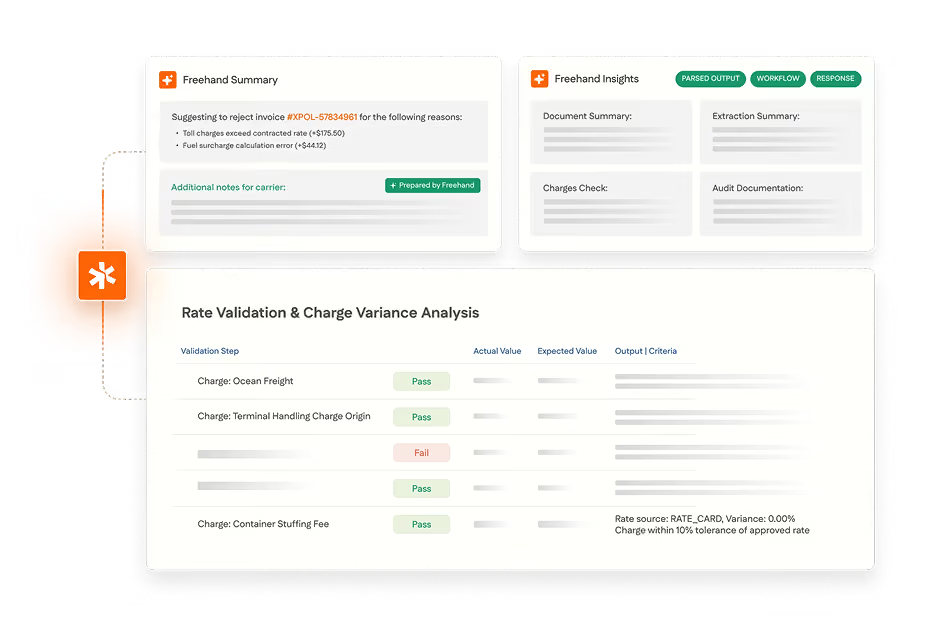
Every warehouse. Every provider. Every mile.
Gartner's 2026 outlook on logistics outsourcing, and how AI Teams hold every contract to the terms you agreed.
- Where outsourced logistics quietly loses margin
- Why billed charges drift from the contract
- How AI Teams close the gap